TL;DR
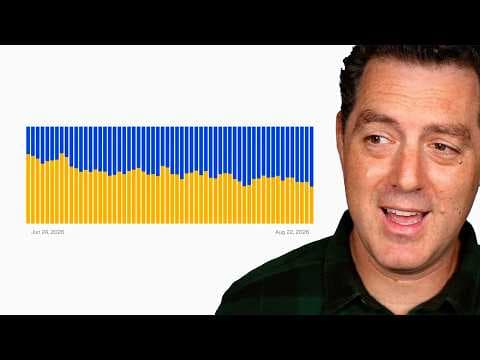
오픈소스 AI가 OpenAI와 Anthropic의 토큰 점유율을 일부 가져오면서도 토큰 생성에 필요한 연산 수요 자체는 줄이지 않아 AI 인프라 시장의 수요를 키울 수 있다는 관점이 나왔다. 공개 수치에서는 오픈소스 비중이 최근 두 달 동안 28%에서 62%로 올랐고, 폐쇄형 frontier 모델은 경제적 가치의 60~90%를 차지하면서 토큰 비중은 15~25%에 머무를 가능성이 거론됐다. 모델 사용이 인프라의 상시 운영 영역으로 이동하면서 효율성과 신뢰성이 기업의 핵심 관심사가 될 것이라는 전망도 함께 제기됐다. 실제 실행 단계에서는 재순환 구조, 로컬 MoE 구동, 문서 처리 비용 절감처럼 같은 품질을 더 적은 자원으로 확보하려는 접근이 이어졌다.
𝕏 실시간 트렌드 토픽
🔥 오픈소스 AI 토큰 점유율과 인프라 수요포스트 2
오픈소스 AI가 토큰 사용량을 빠르게 늘려 OpenAI와 Anthropic의 비중을 잠식하는 가운데, 모델 계층의 마진 하락과 GPU 연산 수요의 지속이 함께 거론됐다.
세부 내용 보기
- 오픈소스 AI의 토큰 점유율이 최근 두 달 동안 28%에서 62%로 상승하면서 폐쇄형 모델과 사용량 경쟁을 벌이는 구도가 나타났다. 토큰을 생성하는 과정에는 모델 유형과 무관하게 컴퓨팅 자원이 필요하므로, 오픈소스 모델의 낮은 가격이나 공개 여부가 추론 연산을 무료로 만들지는 않는다. 따라서 모델 계층의 마진이 낮아져도 AI 인프라 수요는 유지되며, 폐쇄형 frontier 토큰이 경제적 가치의 60~90%를 차지하더라도 전체 토큰 비중은 15~25%에 머무를 수 있다는 전망으로 이어졌다.
원문 트윗 2개 보기
Gavin Baker
More data than open-source AI is taking share from OpenAI and Anthropic. Open source has gone from 28% token share to 62% token share @vercel over the last 2 months. Chart from @rauchg Super impressive given that the sum of OpenAI and Anthropic accelerated in July. So net token/AI infra demand accelerated even more than the acceleration we saw at the frontier. And suspect Grok growing even faster than open-source and we saw some of this in the @tryramp data. Open-source AI taking share is positive for AI infrastructure demand as it lowers margins at the model layer and an open-source token costs just as much compute to produce as a frontier token. Nothing about open-source AI inference is “free.” Most likely end state IMO is that closed, frontier tokens are 60-90% of economic value but only 15 to 25% of tokens.
Tibo
2026 is the year companies start seriously caring about model efficiency and reliability as it becomes critical infrastructure
📈 Recirculation으로 고정 가중치 모델의 추론 상태 확장포스트 1
Recirculation은 추론 중 activation을 모델 내부로 되돌려 recurrence를 추가하고, 재학습 없이 긴 생성에 필요한 belief state 추적을 확보하는 구조다.
세부 내용 보기
- Feedforward Transformer는 레이어 수만큼만 내부 상태를 갱신할 수 있어 긴 생성에서 chain-of-thought가 텍스트 기반 상태 추적을 맡게 된다. Recirculation은 prefill 단계에서 activation을 모델에 다시 통과시켜 동적 시스템처럼 belief state를 갱신하고, 순차 연산을 prefill에 집중해 generation cost를 일정하게 유지한다. Gemma3 계열에서는 원래 가중치를 고정한 채 가벼운 hyperparameter tuning만 적용해 perplexity 23% 감소와 GSM8k 정확도 21% 상승이 기록됐다.
➖ VLM과 World Model의 역할 분리포스트 1
로봇공학에서 VLM·VLA·WAM을 같은 의미로 쓰지 말아야 하며, 이미지의 정적 의미를 읽는 VLM과 시간에 따른 상태 변화를 모델링하는 World Model을 구별해야 한다는 입장이다.
세부 내용 보기
- VLM은 VQA 같은 과제를 위해 LLM에 시각 입력을 확장한 계열로, 이미지 속 장면의 정적 의미를 포착하지만 장면의 동역학 자체를 다루지는 않는다. 반면 World Model은 제어 이론에 뿌리를 두고 상태 s에서 어떤 행동 a를 취해야 상태 s'에 도달하는지 모델링하며, 오늘날에는 영상이나 로봇 궤적 같은 시간 데이터를 이용한 neural network로 학습된다. 이 구분은 로봇의 planning과 policy 설계에서 시각 인식과 동적 예측의 입력·출력 역할을 분리하는 기준이 된다.
VLM은 이미지의 정적 의미를, World Model은 시간에 따른 상태와 행동의 관계를 다루므로 두 용어를 구분해야 과제와 모델 역할을 정확히 전달할 수 있다는 입장이다.
📈 일반 하드웨어에서 실행되는 대형 MoE 모델포스트 1
FreeToken이 데이터센터 없이 개인이 보유한 GPU와 노트북에서 대형 frontier MoE 모델을 대화형 속도로 실행하는 수치를 내세웠다.
세부 내용 보기
- 대형 Mixture-of-Experts 모델을 로컬에서 실행할 때 메모리 용량과 토큰 생성 속도가 주요 제약이지만, FreeToken은 극단적인 quantization이나 데이터센터를 전제로 하지 않는 실행 경로를 제시한다. 8GB RTX 4060 노트북에서는 Qwen3.6 35B가 초당 39토큰, 단일 5090에서는 DeepSeek-V4-Flash 284B가 초당 22~25토큰, RTX PRO 6000 한 장에서는 GLM-5.2 753B가 초당 15토큰을 기록했으며, 게시물은 Ollama보다 빠르다고 밝혔다. 모델 가중치와 추론 자원을 개인 장비에 배치하면 대규모 서버 없이도 대형 모델을 직접 운용하는 선택지가 넓어진다.
➖ 에이전트의 2단계 문서 처리와 선택적 VLM OCR포스트 1
대규모 문서 묶음 전체에 비싼 VLM OCR을 적용하는 대신, 가벼운 1차 파싱으로 후보 페이지를 좁힌 뒤 필요한 부분만 VLM으로 재처리하는 RAG 방식이다.
세부 내용 보기
- 대량의 고객 문서에 VLM 기반 OCR을 처음부터 적용하면 처리 속도와 비용이 커지지만, 에이전트는 먼저 무료 또는 오픈소스 parser로 10~100~1k개의 파일을 빠르게 훑고 grep·semantic retrieval로 관련 문맥을 좁힐 수 있다. 이후 선택된 페이지 번호만 screenshot이나 코드와 함께 VLM 기반 2차 처리에 넣어 차트와 세부 구조를 해석하면 전체 문서를 확대 처리하지 않아도 필요한 정확도를 유지할 수 있다. LlamaIndex의 liteparse는 Rust로 작성된 50개 이상의 문서 형식 지원 1차 parser이고, LlamaParse는 MCP나 skill로 호출해 부분 문서에 적용하는 2차 document engine으로 배치돼 비용과 정확도의 절충점을 만든다.

➖ GCN의 이웃 집계와 Transformer의 토큰 혼합포스트 1
Graph Convolutional Network를 손으로 계산하며 adjacency matrix가 노드 이웃을 섞고 MLP가 각 노드를 변환하는 과정을 Transformer layer의 attention 구조와 대응시켰다.
세부 내용 보기
- 그래프 데이터에서는 노드 사이의 연결이 adjacency matrix로 표현되며, 각 노드의 self-loop를 추가한 뒤 embedding에 weight·bias·ReLU를 적용하고 이웃과 자기 자신을 pooling한다. 예시에서 노드 A는 [3,0,1]과 [1,0,0]을 합쳐 [4,0,1]을 만들고, 노드 C는 세 벡터를 합쳐 [2,5,10]을 얻은 뒤 fully connected·linear·sigmoid 단계를 거쳐 확률을 계산했다. GCN의 adjacency matrix와 Transformer의 attention matrix는 각각 노드와 토큰 사이의 정보를 섞고, 이후 위치별 변환을 수행한다는 공통점을 가지지만 GCN의 연결은 그래프가 고정한다.

📈 에이전트 비용과 MCP 접근을 한곳에서 통제하는 게이트웨이포스트 2
Unity AI Gateway와 OpenRouter 관련 소식이 모델·에이전트 사용량, 토큰 비용, MCP 접근 권한을 운영 계층에서 관리하는 흐름을 부각했다.
세부 내용 보기
- 모델과 coding agent, MCP tool이 늘어나면 사용량과 비용을 각각 추적하기 어려워지므로 Unity AI Gateway는 관리자 화면에서 사용량·비용을 모으고 전체·개별 사용자 예산을 설정한다. 에이전트가 접근할 수 있는 MCP tool을 통제하고 외부 모델로 전달되기 전 민감한 PII를 차단하는 input guardrail도 같은 경로에 배치된다. OpenRouter 인수 관련 보도 역시 거대한 담론보다 token expense management를 실무적 핵심으로 짚어, 모델 선택과 호출을 연결하는 운영 계층의 중요성을 부각했다.
원문 트윗 2개 보기
Databricks
[DEMO] More models, coding agents, and MCP tools usually means more places to keep track of. Unity AI Gateway gives admins one place to see usage and costs, set budgets, control which MCP tools agents can access, and block sensitive PII before it reaches an external model. Amber Roberts walks through the setup, including dashboards, shared and per-user budgets, MCP controls, and input guardrails. https:// youtube.com/watch?v=ujYLgY lo6XM …
TechCrunch
Stripe claims "the singularity" is here, and justifies its $7.5B acquisition of OpenRouter. The truth, as @EquityPod highlights, is much more practical, as unglamorous as token expense management may seem: http:// spr.ly/6018B1m8AA

용어 해설
- 오픈소스 AI(Open-source AI)
- — 모델 가중치나 실행에 필요한 구성 요소를 공개해 누구나 사용·수정·배포할 수 있게 한 AI다. 토큰 생성에는 폐쇄형 모델과 마찬가지로 GPU 연산이 필요하므로 사용량이 늘면 AI 인프라 수요와 비용 구조에 직접 영향을 준다.
- 토큰 점유율(Token Share)
- — 전체 AI 모델 사용량 가운데 특정 모델군이 생성한 토큰이 차지하는 비중이다. 이 글에서는 오픈소스 AI의 비중이 두 달 동안 28%에서 62%로 변한 수치가 모델 사용 구조의 변화를 나타내는 기준으로 쓰였다.
- 모델 효율성(Model Efficiency)
- — 같은 작업 품질을 유지하면서 더 적은 연산량·비용·메모리와 더 안정적인 실행을 확보하는 특성이다. 모델이 핵심 인프라가 될수록 처리 비용과 신뢰성이 서비스 운영의 중요한 조건이 된다.
AI 요약 · 북마크 · 개인 피드 설정 — 무료
출처 · 인용 안내
인용 시 "요약 출처: AI Trends (aitrends.kr)"를 표기하고, 사실 확인은 원문 보기 기준으로 진행해 주세요. 자세한 기준은 운영 정책을 참고해 주세요.